What Are Commuter Benefits? A Complete Guide to How They Work in 2026
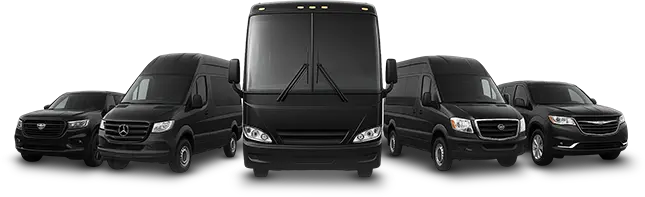
Commuter benefits are employer-sponsored programs that let employees pay for shuttle rides, transit, vanpools, and work-related parking with pre-tax dollars. In 2026, the IRS allows up to $340 a month for shuttles, transit, and vanpools combined, and a separate $340 a month for qualified parking. Employees lower their taxable income, and employers lower their payroll taxes.
Planning your employee shuttle program? Get a quote.
Key takeaways
- The 2026 IRS limit is $340 per month for shuttles, transit, and vanpools combined, plus a separate $340 per month for parking. Both rose from $325 in 2025.
- A free or low-cost employee shuttle satisfies the Bay Area commuter benefit mandate under Option 3.
- Bay Area employers with 50 or more full-time employees must register and offer a commuter benefit.
- The federal bicycle commuting benefit, suspended since 2018, was permanently eliminated starting in 2026.
What changed in 2026
The IRS raised both monthly limits by $15 for 2026, according to IRS Publication 15-B.
| Benefit | 2025 monthly limit | 2026 monthly limit | 2026 annual maximum |
|---|---|---|---|
| Shuttles, transit passes, and vanpools (combined) | $325 | $340 | $4,080 |
| Qualified parking | $325 | $340 | $4,080 |
An employee who uses both can set aside up to $8,160 a year before taxes. Plans don’t adopt the new limit on their own, so check that your payroll settings no longer cap elections at $325.
The federal bicycle commuting benefit is gone for good. Public Law 119-21 permanently eliminated it starting in 2026, so bike reimbursements are now taxable wages.
The Bay Area rules did not change, but the commute got more expensive. BART fares rose 6.2% on January 1, 2026, which makes every pre-tax dollar worth more.
How commuter benefits work
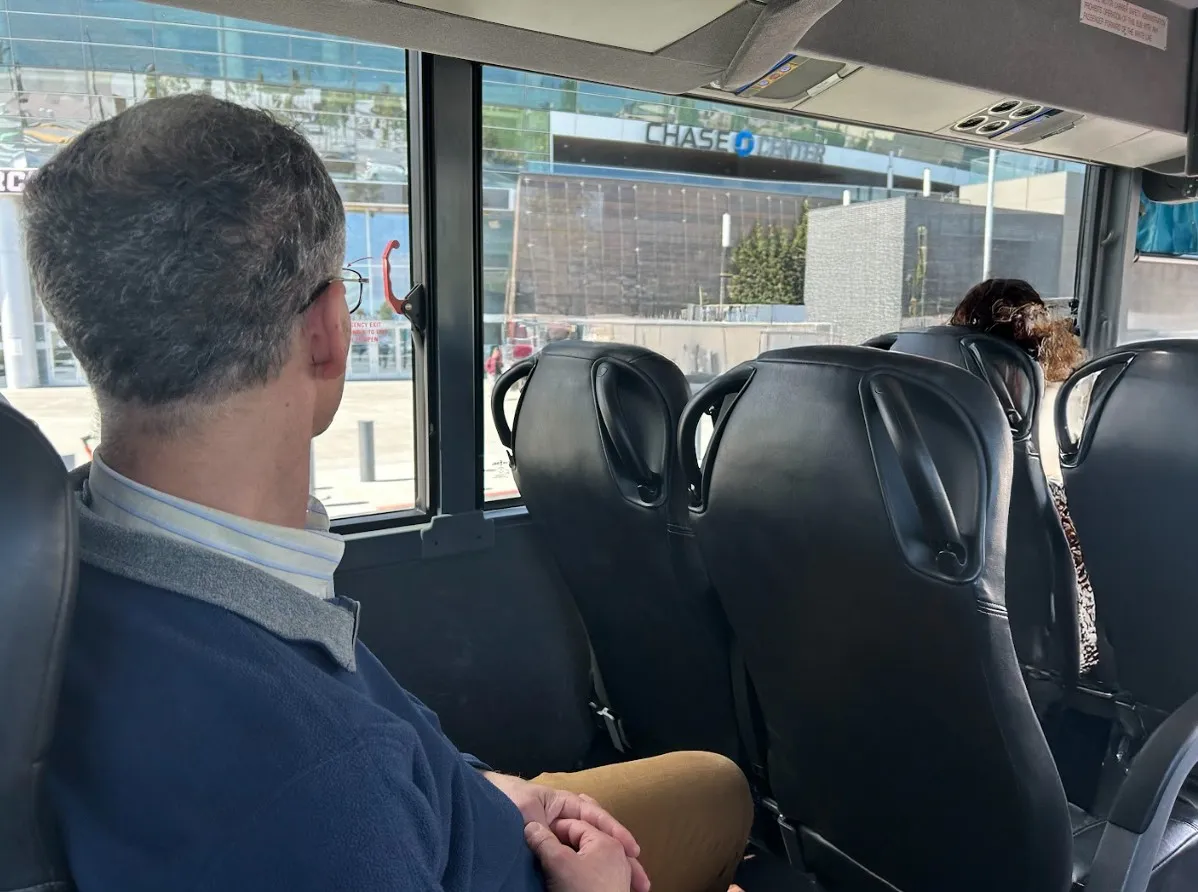
Commuter benefits are a qualified transportation fringe benefit under Section 132(f) of the Internal Revenue Code. The mechanics are simple:
- The employer sets up a plan, in-house or through a benefits administrator.
- Each employee elects a monthly amount, up to the IRS limit.
- Payroll deducts that amount before federal income, Social Security, and Medicare taxes are calculated.
- The employee pays for the commute with a commuter card, a voucher, or a pass delivered through the plan.
An employer can also pay for the benefit directly, tax-free to the employee up to the same limits. The benefit is open to W-2 employees, not independent contractors or partners, and elections can change month to month.
What commuter benefits cover
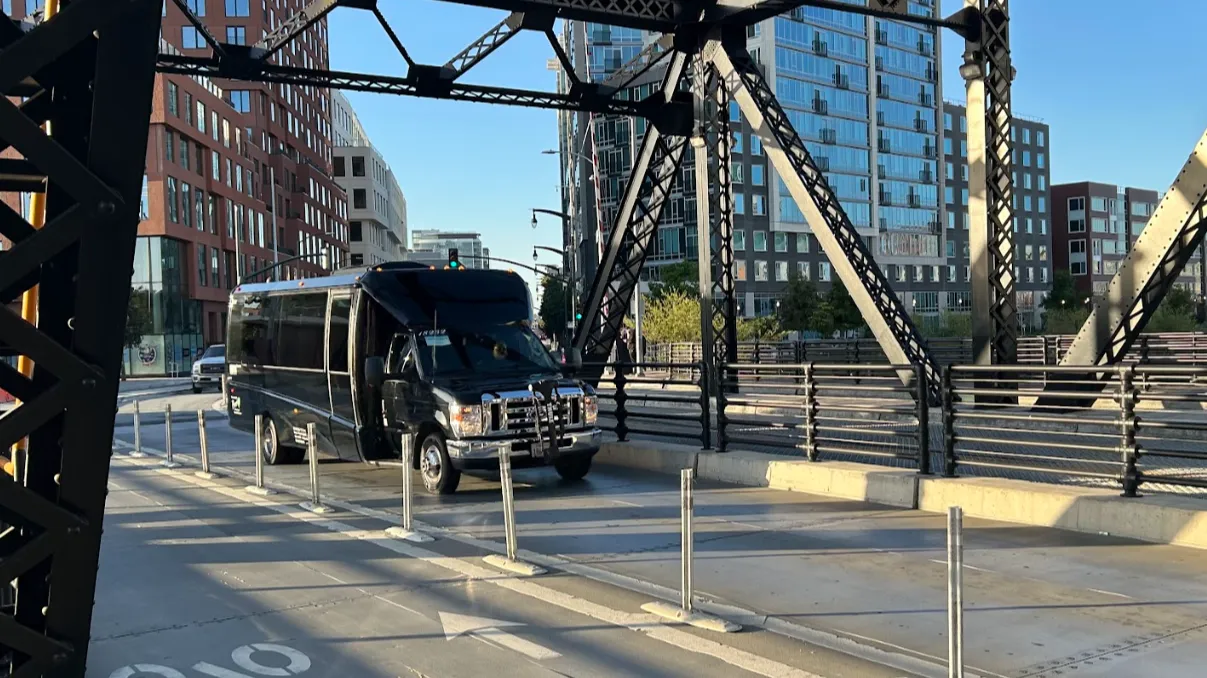
- Employee shuttles: rides on a shuttle that seats at least six adults besides the driver and is used mainly for commuting, whether you run it yourself or contract with a transportation company.
- Transit passes: bus, rail, subway, and ferry fares, including value loaded on a Clipper card.
- Vanpools: shared vans that meet the same six-seat rule, within the same combined limit.
- Qualified parking: parking at or near the workplace, or where the employee switches to a shuttle, transit, a vanpool, or a carpool.
Gas, bridge tolls, bicycle costs, and most ride-hail trips are not covered.
Let’s set up your employee shuttle plan.
What employees and employers save
A full $340 monthly election puts $4,080 a year toward the commute before taxes. At a combined 30% tax rate, the employee keeps about $1,224 more each year.
The employer saves 7.65% in payroll taxes (FICA) on every dollar employees set aside. When an employee elects the full $340 a month, that comes to about $312 a year for that employee. If 100 employees each elect the full amount, the employer saves roughly $31,200 a year. Smaller elections save proportionally less. Employers generally can’t take a federal deduction for the cost of the benefit itself, so confirm the details with your tax advisor.
Commuter benefit rules in the Bay Area
Federal law makes commuter benefits optional. The Bay Area makes them mandatory for larger employers.
The Bay Area Commuter Benefits Program applies to any employer with 50 or more full-time employees (30 or more hours a week) across its Bay Area worksites. Covered employers must register at 511.org and offer a benefit to everyone who works 20 or more hours a week, choosing at least one of five options:
| Option | What the employer provides |
|---|---|
| 1. Pre-tax benefit | Employees exclude transit or vanpool costs from taxable income, up to $340 a month |
| 2. Employer-provided subsidy | A monthly transit or vanpool subsidy of up to $75 |
| 3. Employer-provided transit | A free or low-cost bus, shuttle, or vanpool operated by or for the employer |
| 4. Alternative commuter benefit | A custom mix of measures, such as carpool subsidies, secure bike parking, and a guaranteed ride home |
| 5. Telework | A company-wide policy allowing telework one or more days a week for roles that can be done remotely |
Options 1 and 2 help employees pay for the commute they already have. Option 3 gives them a better one.
Registration must be renewed every year, and the Air District can impose penalties on employers who don’t comply. San Francisco also has its own ordinance for businesses with a city location and 20 or more employees nationwide.
Which other cities and states require commuter benefits?
Several cities and states outside the Bay Area also require employers to offer commuter benefits. The size threshold depends on where you are.
| Where | Employers covered |
|---|---|
| Berkeley and Richmond, CA | 10 or more employees |
| San Francisco | 20 or more employees |
| New York City | 20 or more full-time, non-union employees |
| New Jersey | 20 or more employees |
| Washington, D.C. | 20 or more employees |
| Seattle | 20 or more employees |
| Philadelphia | 50 or more employees |
| Los Angeles area | 50 or more full-time employees |
| Chicago area (Illinois) | 50 or more full-time employees |
Each law defines which employees count and which benefits qualify a little differently, so check the rules for every location where you have staff.
Where employee shuttles fit
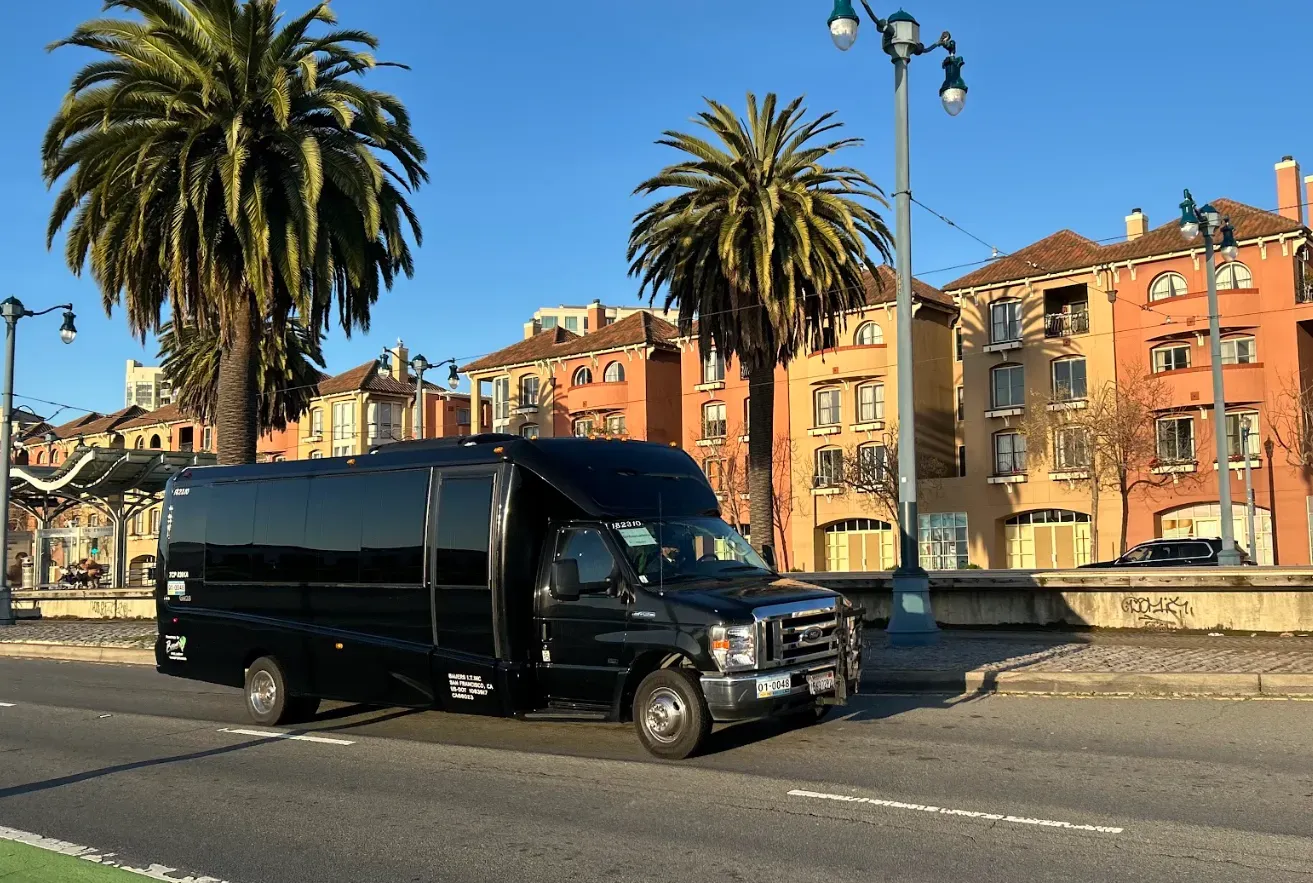
Many employers meet the Bay Area rule with Option 1 and stop there. That satisfies the regulation, but it does nothing for the employee whose commute is the problem. A shuttle changes the commute itself.
Under Option 3, the shuttle must be free or low-cost: no more than $2.00 one way, or $0.20 a mile on long routes. For tax purposes, rides fall under the same $340 monthly limit as transit passes, and any fare employees pay can come out of pay before taxes.
Shuttle or pre-tax transit: how they compare
| Factor | Pre-tax transit benefit (Option 1) | Employee shuttle (Option 3) |
|---|---|---|
| Cost to the employer | Administration fees, offset by payroll tax savings | Vehicles and operations, partly offset by any low fare you charge |
| Cost to the employee | Full fare, paid with pre-tax dollars | Free, or up to $2.00 one way |
| Who it helps | Employees who already live near good transit | Employees on the routes you choose, including areas transit serves poorly |
| Seat on every trip | Not guaranteed | Guaranteed |
| Schedule | Set by the transit agency | Built around your shifts |
| Exposure to fare increases and service cuts | Yes | No, fares and service are set by you |
| Ridership data for the employer | Only spending, no actual ridership data | Ridership, on-time performance, and cost per rider |
| Time to launch | Days, through payroll or a benefits administrator | Longer, since routes, vehicles, and schedules are planned first |
Pre-tax transit is the lower-cost way to comply. A shuttle is the better commute where transit is slow, crowded, or out of reach, and many employers offer both.
Bauer’s Intelligent Transportation has moved Bay Area riders for nearly 40 years and launched Google’s first corporate commuter shuttle program in 2003. We own and operate our fleet of more than 300 vehicles, and we employ and train our own chauffeurs.
Let’s plan your employee shuttle routes.
Share your office locations, headcount, and shift times, and we’ll send back a route plan with pricing.
How to launch a shuttle program
- Map the commute. Employee zip codes and shift times show where a route will fill.
- Choose your operator and set the fare. A transportation partner handles vehicles, drivers, insurance, and maintenance. Keep any fare within the low-cost thresholds.
- Update your registration and tell your team. Add Option 3 at 511.org, then share routes, stop times, and how to enroll.
Case study: a Bay Area tech firm’s first year with a branded shuttle
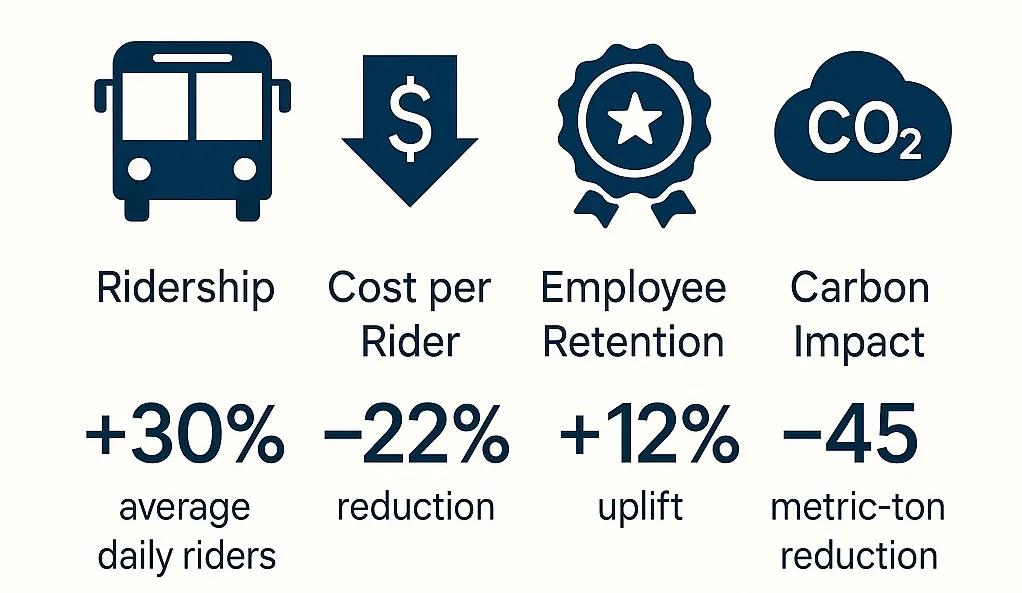
A mid-sized Bay Area tech firm partnered with Bauer’s Intelligent Transportation to launch a branded employee shuttle and built it into its Section 132(f) commuter benefits program. Over the first 12 months:
- Ridership: average daily riders grew 30%, driven by reliable routes and real-time tracking through RidePal.
- Cost per rider: 22% lower than the firm’s previous transit reimbursements, through volume pricing and route optimization.
- Retention: a 12% lift among frequent shuttle riders, who reported higher satisfaction and less commute stress.
- Carbon impact: 45 metric tons of CO₂ avoided by replacing solo car trips with shared rides.
Build a commute your team will use
The 2026 limits give your employees more room to save. The Bay Area rules give you five ways to comply. Only one of them gives your team a better ride to work.
If you would like to see what a shuttle program would look like for your routes and headcount, contact Bauer’s Intelligent Transportation. We’ll map the routes, show you the numbers, and help you fit the program into your commuter benefits plan.
Frequently asked questions
Can shuttle costs count toward the monthly IRS limit?
Yes. Rides on an employer-provided shuttle that seats at least six adults fall under the same $340 monthly limit as transit passes and vanpools. That limit is combined, so a shuttle rider who also buys a transit pass shares one $340 cap between the two.
Are commuter benefits required in the Bay Area?
Yes, for larger employers. Any employer with 50 or more full-time employees in the Bay Area must register with the Bay Area Commuter Benefits Program and offer at least one of five options. San Francisco applies its own ordinance to businesses with a city location and 20 or more employees nationwide.
What if we operate multiple office locations?
The 50-employee count is the total across all of your Bay Area worksites, even if no single site reaches 50. You can offer the same benefit everywhere or a different one at each site. For shuttles, that usually means a distinct route for each campus.
This guide is general information, not tax or legal advice. Confirm how the rules apply to your plan with your tax advisor.
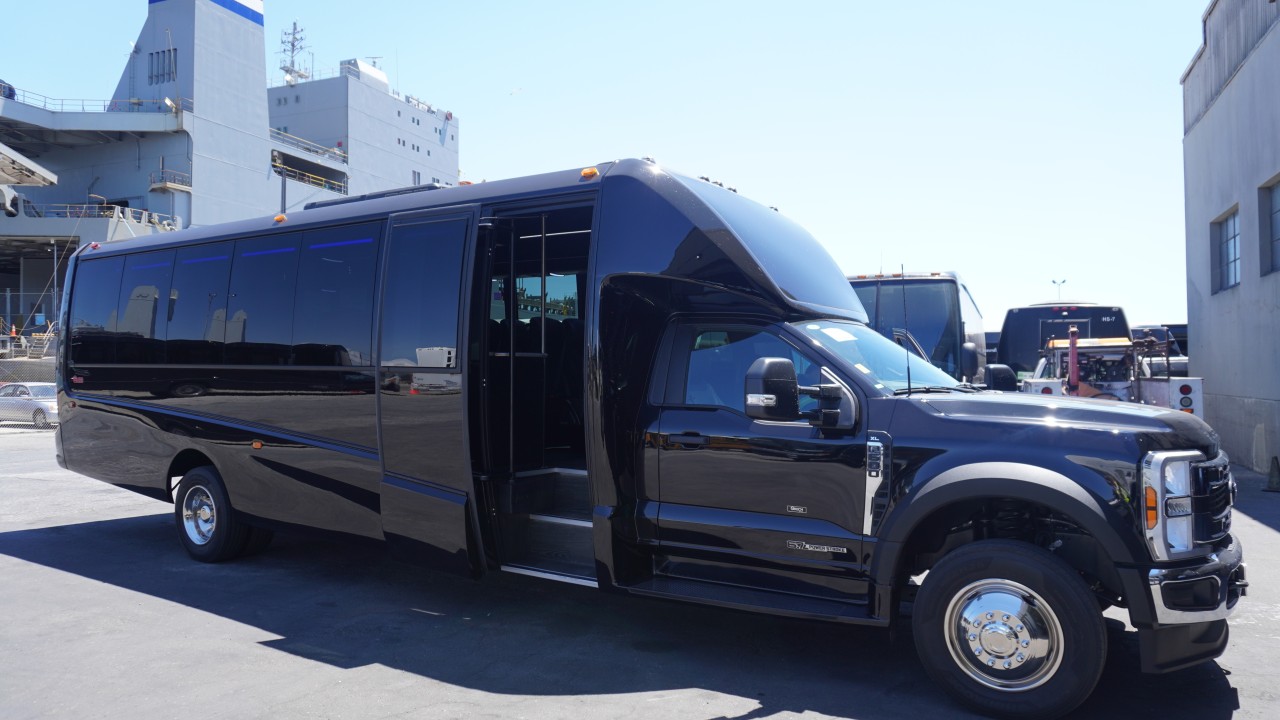
Buckle Up: Bauer’s 2026 Shuttles Are Here!
Bauer’s Intelligent Transportation introduces the 2026 Ford F600 GM33 luxury shuttles by Grech Motors —...
Top 10 Questions to Ask When Choosing a Transportation Company for Shuttle Service
Whether you're a company looking to launch an employee commuter program, a hospital aiming to...
Why Your Commute Strategy Could Be Costing You Top Talent
In today’s competitive job market, your commute strategy can be a silent deal-breaker in attracting...
Sustainability Meets Strategy: How Employee Shuttles Support Your ESG Goals
As ESG reporting becomes a priority, companies are under mounting pressure to show measurable progress...
Subscribe to Updates
Get the latest news, updates, and exclusive offers straight to your inbox.